

Natural disasters, industrial accidents, and emergency situations often create environments where visibility is severely compromised. Earthquakes, floods, wildfires, landslides, and severe storms can leave rescue teams facing difficult conditions while searching for survivors and assessing damage.
In these critical situations, thermal imaging technology has become an essential tool for emergency responders. By detecting heat signatures rather than relying on visible light, thermal imaging scopes help teams locate people, identify hazards, and improve decision-making during rescue operations.
Injie Optics develops professional thermal imaging scopes designed to support emergency management agencies, rescue teams, and disaster response professionals worldwide.
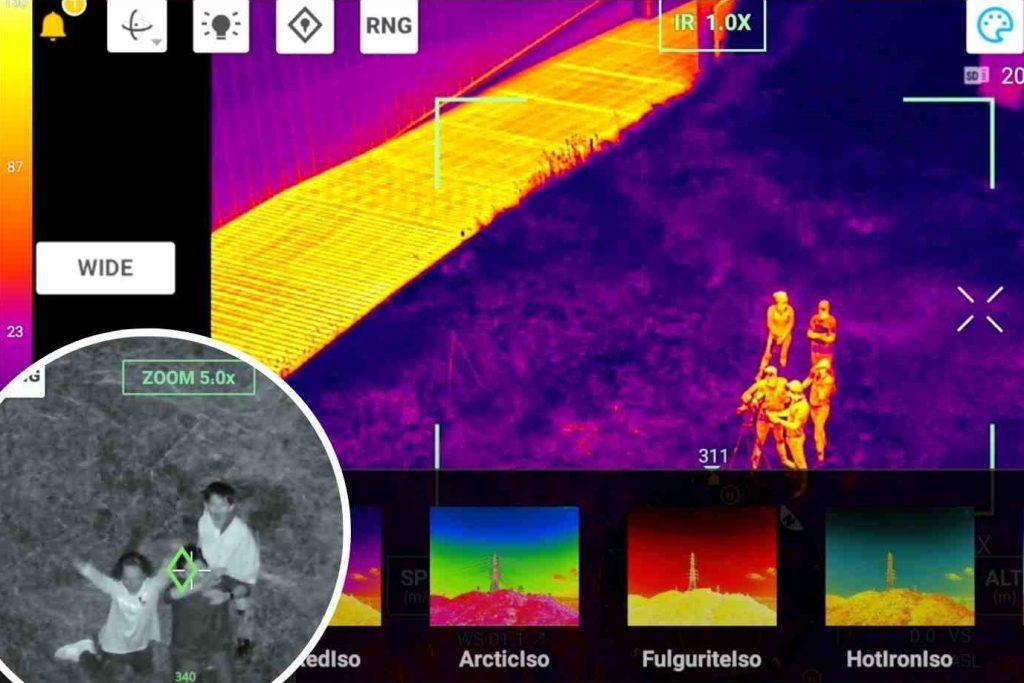
The Challenges of Disaster Response
Emergency responders frequently operate in environments where traditional observation equipment may be limited.
Common challenges include:
- Low visibility conditions
- Smoke-filled areas
- Nighttime operations
- Damaged infrastructure
- Large search zones
- Harsh weather conditions
- Complex terrain
The ability to quickly identify people and potential hazards is critical for effective emergency response.
How Thermal Imaging Technology Supports Emergency Operations
Thermal imaging systems detect infrared radiation emitted by objects and living beings. These heat signatures are displayed as thermal images, allowing operators to identify targets that may not be visible through conventional optical devices.
Unlike standard cameras, thermal imaging technology remains effective regardless of available lighting conditions.
This capability provides emergency responders with a significant operational advantage.
Locating Survivors More Efficiently
Search Operations After Natural Disasters
Following earthquakes, landslides, and floods, locating survivors is often the highest priority.
Thermal imaging scopes help responders:
- Detect human heat signatures
- Search large areas more quickly
- Identify potential survivors in difficult environments
- Improve search efficiency during critical rescue periods
Every minute saved during a rescue operation can be valuable.
Nighttime Emergency Response
Many disasters occur unexpectedly and require immediate action regardless of the time of day.
Thermal imaging technology enables responders to maintain visibility during nighttime operations, improving safety and effectiveness.
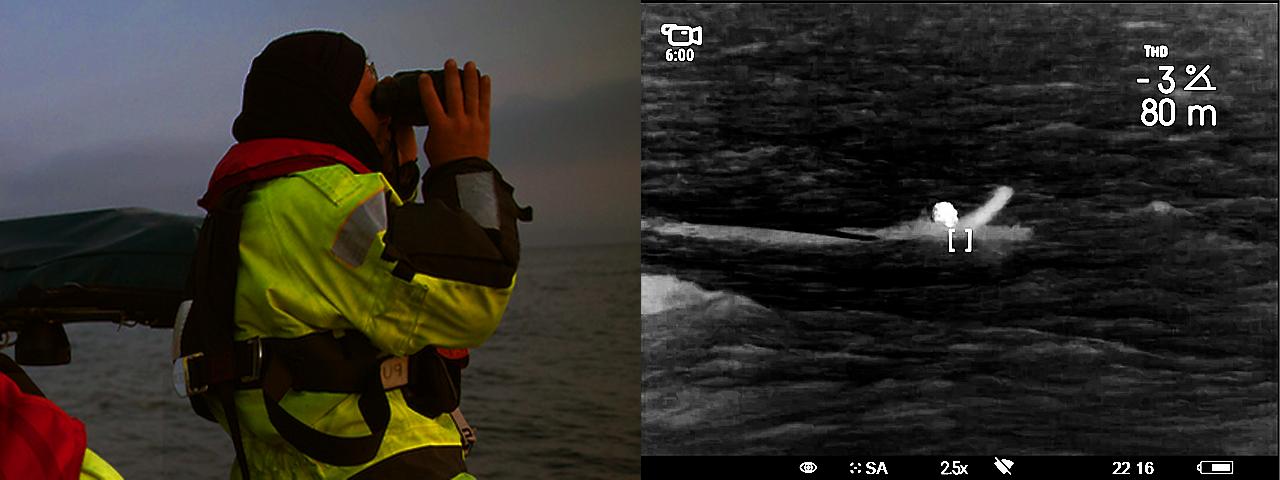
Identifying Hazards During Emergency Situations
Thermal imaging systems can also help identify potential risks that may not be immediately visible.
Applications include:
Fire and Hot Spot Detection
Thermal imaging can reveal heat sources and residual hot spots that may pose ongoing risks during emergency operations.
Equipment Monitoring
Emergency teams can identify overheating equipment, damaged electrical systems, and temperature-related abnormalities.
Infrastructure Assessment
Thermal imaging supports rapid evaluation of buildings, facilities, and critical infrastructure following disasters.
Benefits of Thermal Imaging Scopes for Emergency Responders
Improved Situational Awareness
Thermal imaging provides a clearer understanding of the operational environment, helping teams make informed decisions.
Faster Area Coverage
Large search zones can be scanned more efficiently, reducing response times.
Enhanced Personnel Safety
Improved visibility helps emergency responders identify hazards and navigate challenging environments more safely.
Reliable Performance in Challenging Conditions
Thermal imaging remains effective in darkness, smoke, fog, and other low-visibility situations.
Why Choose Injie Thermal Imaging Scopes?
Injie Optics designs thermal imaging solutions for demanding professional applications.
Key features include:
- High-resolution thermal sensors
- Long-range target detection
- Advanced image enhancement technology
- HD OLED displays
- Multiple thermal color palettes
- Digital zoom functionality
- Image and video recording
- Waterproof and rugged construction
- Extended battery life
These capabilities make Injie thermal imaging scopes valuable tools for emergency response and disaster management operations.
Future Trends in Emergency Thermal Imaging
The future of thermal imaging technology includes:
- AI-assisted victim detection
- Drone-integrated thermal imaging systems
- Real-time data transmission
- Enhanced thermal sensitivity
- Intelligent image analysis
These innovations will help emergency management organizations respond faster and operate more effectively during critical incidents.
Conclusion
Thermal imaging scopes play an increasingly important role in disaster response and emergency management. Their ability to detect heat signatures, improve visibility, and support rapid decision-making makes them a valuable tool for modern rescue operations.
Injie Optics remains committed to developing advanced thermal imaging solutions that help emergency responders improve operational effectiveness, enhance safety, and save lives when it matters most.
About Injie Optics
Injie Optics specializes in the development and manufacturing of:
- Thermal Imaging Scopes
- Thermal Monoculars
- Night Vision Devices
- Laser Rangefinders
- Binoculars
- Electro-Optical Observation Systems
We provide innovative optical technologies designed to support professional observation, detection, rescue, security, and emergency response applications around the world.