

Wildlife monitoring and conservation play a vital role in protecting biodiversity and maintaining healthy ecosystems. Researchers, conservation organizations, park authorities, and environmental professionals require reliable tools to observe animal behavior, track population movements, and collect accurate field data.
Traditional observation methods can be limited by darkness, dense vegetation, and environmental conditions. Thermal imaging technology has transformed wildlife monitoring by allowing observers to detect animals through their heat signatures without disturbing their natural behavior.
Injie Optics provides advanced thermal imaging scopes designed to support wildlife research, ecological monitoring, and conservation projects around the world.
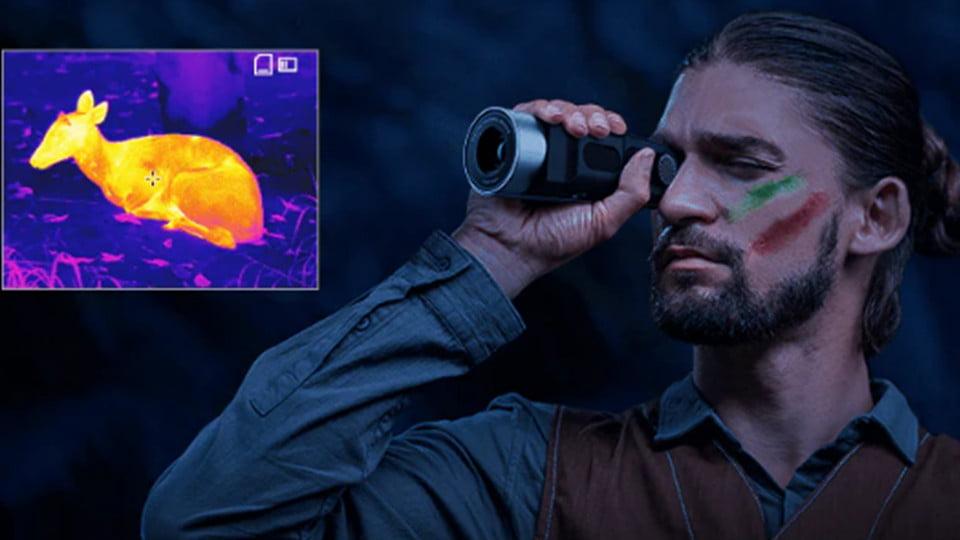
Why Thermal Imaging Is Valuable for Wildlife Observation
Many animal species are most active during dawn, dusk, or nighttime hours. Conventional binoculars and cameras often struggle in these low-light conditions.
Thermal imaging scopes offer significant advantages by detecting infrared radiation emitted by animals.
Benefits include:
- Observation in complete darkness
- Reduced disturbance to wildlife
- Faster animal detection
- Improved monitoring efficiency
- Enhanced field safety
- Reliable performance in remote environments
These capabilities make thermal imaging an increasingly important tool for wildlife professionals.
How Thermal Imaging Technology Works
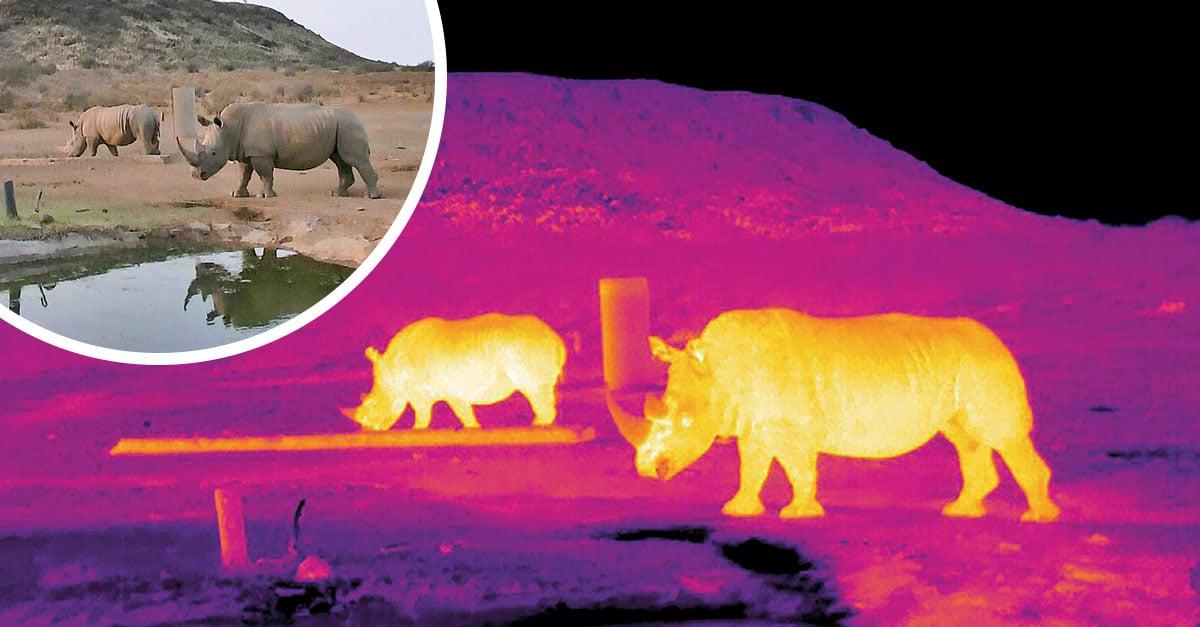
Every animal produces body heat that generates infrared radiation. Thermal imaging sensors detect this energy and convert it into a visual thermal image.
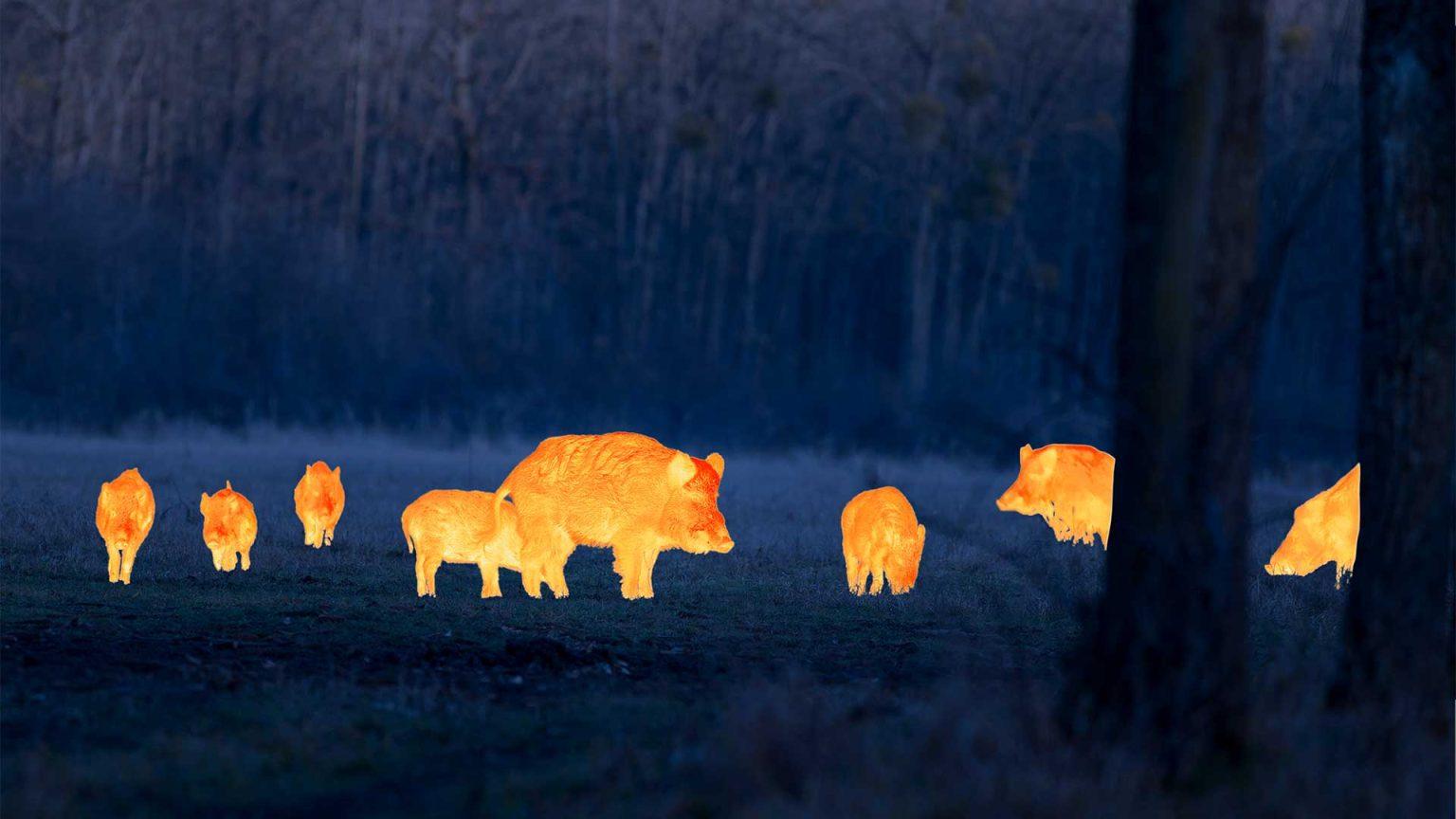
Unlike conventional optical systems that depend on reflected light, thermal imaging can reveal animals hidden in shadows, vegetation, or low-contrast environments.
This enables researchers to locate wildlife more effectively across a variety of habitats.
Applications in Wildlife Monitoring
Population Surveys
Accurate population data is essential for wildlife management and conservation planning.
Thermal imaging scopes help researchers:
- Locate animals more efficiently
- Conduct surveys during nighttime hours
- Improve counting accuracy
- Cover larger observation areas
Behavioral Research
Understanding animal behavior is critical for ecological studies.
Thermal imaging allows researchers to observe:
- Feeding activity
- Migration patterns
- Social interactions
- Nesting behavior
- Predator-prey relationships
without disrupting natural environments.
Habitat Assessment
Thermal imaging technology supports habitat monitoring by helping identify wildlife activity across different ecological zones.
Anti-Poaching Operations
Wildlife protection teams use thermal imaging systems to improve surveillance and detect illegal activities in protected areas.
Endangered Species Monitoring
Conservation organizations rely on thermal imaging equipment to locate and monitor vulnerable species while minimizing human impact.
Advantages of Injie Thermal Imaging Scopes
High-Sensitivity Thermal Sensors
Advanced infrared detectors provide clear thermal images and improved target recognition.
Long-Range Detection Capability
Injie thermal imaging scopes allow researchers to monitor wildlife from safe distances.
Multiple Observation Modes
Different thermal display palettes help users adapt to changing environmental conditions.
Rugged Outdoor Design
Built for field use, Injie thermal devices are designed to withstand demanding outdoor environments.
Extended Battery Performance
Long operating times support extended observation missions in remote locations.
Supporting Modern Conservation Efforts
Conservation programs increasingly depend on advanced technologies to collect data and protect wildlife.
Thermal imaging contributes to:
- Biodiversity protection
- Habitat preservation
- Species recovery programs
- Ecological research
- Environmental management
As environmental challenges continue to grow, reliable observation technology becomes even more important.
Future Trends in Wildlife Thermal Imaging
Emerging technologies are expanding the capabilities of thermal observation systems.
Future developments include:
- AI-assisted species recognition
- Drone-mounted thermal imaging systems
- Real-time wildlife tracking
- Improved thermal resolution
- Cloud-based monitoring platforms
These innovations will help researchers gather more accurate information while reducing field workload.
Why Choose Injie Optics?
Injie Optics develops professional thermal imaging solutions for demanding observation applications.
Key features include:
- High-resolution thermal sensors
- Long-range thermal detection
- Advanced image enhancement
- Digital zoom functionality
- HD display systems
- Video and image recording
- Weather-resistant construction
- Professional technical support
Our thermal imaging products are designed to help researchers, conservationists, and wildlife professionals achieve reliable results in the field.
Conclusion
Thermal imaging technology has become an essential tool for modern wildlife monitoring and conservation. By enabling efficient detection of animals in darkness and challenging environments, thermal imaging scopes help researchers collect valuable data while minimizing disturbance to natural habitats.
Injie Thermal Imaging Scopes provide the performance, reliability, and advanced infrared technology needed to support conservation efforts, ecological research, and wildlife protection programs worldwide.
About Injie Optics
Injie Optics specializes in the development and manufacturing of:
- Thermal Imaging Scopes
- Thermal Monoculars
- Night Vision Devices
- Laser Rangefinders
- Binoculars
- Electro-Optical Observation Systems
Our mission is to provide innovative optical technologies that support professional observation, research, conservation, security, and emergency response applications around the world.