

Every year, thousands of search and rescue missions are launched worldwide to locate missing hikers, elderly individuals, children, outdoor adventurers, and disaster victims. In many cases, the first few hours are critical. The faster rescue teams can locate a missing person, the greater the chance of a successful outcome.
Traditional search methods often face limitations caused by darkness, vegetation, rough terrain, or adverse weather conditions. Thermal imaging technology has emerged as one of the most effective tools for improving search efficiency and helping rescue teams locate individuals more quickly.
Injie Optics develops advanced thermal imaging scopes and thermal observation devices designed to support professional search and rescue operations in challenging environments.
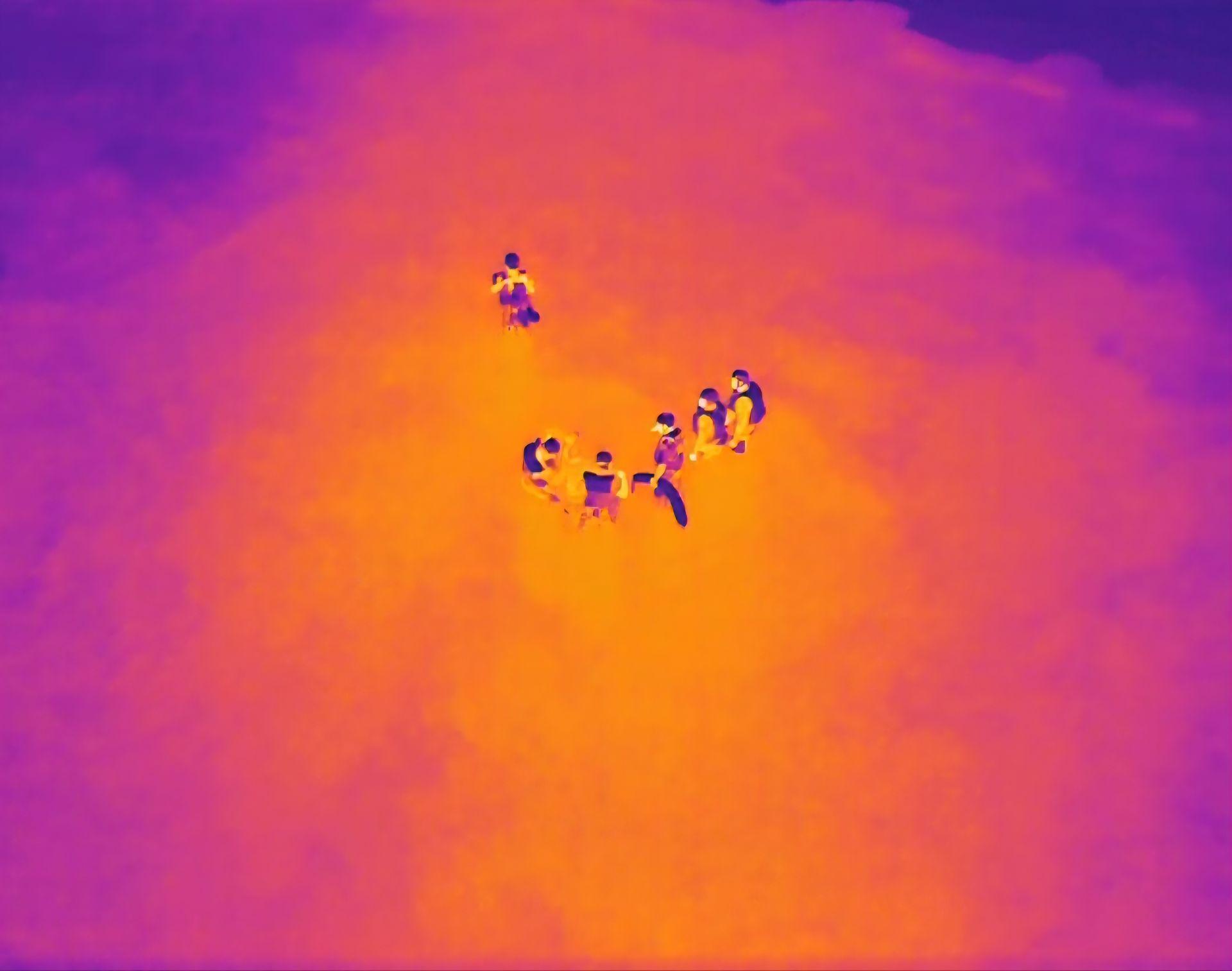
Why Finding Missing Persons Can Be Difficult
Search teams frequently encounter obstacles that reduce visibility and slow rescue efforts, including:
- Dense forests and vegetation
- Mountainous terrain
- Nighttime conditions
- Fog and poor weather
- Large search areas
- Limited access routes
Conventional flashlights, binoculars, and visual observation methods may not always provide sufficient visibility in these environments.
Thermal imaging technology offers a significant advantage by detecting body heat rather than relying on visible light.
How Thermal Imaging Technology Works
Every human body emits infrared radiation. Thermal imaging devices detect this heat energy and convert it into a visible image.
Instead of showing colors based on reflected light, thermal imaging systems display temperature differences between objects and their surroundings.
This allows operators to identify a person even when they are partially hidden by vegetation or difficult to see with conventional optics.
Key Advantages in Missing Person Searches
Faster Detection
Thermal imaging scopes can quickly highlight human heat signatures, helping search teams cover large areas more efficiently.
Effective During Night Operations
Many rescue missions continue after sunset. Thermal imaging technology provides reliable visibility in complete darkness without requiring additional lighting.
Improved Visibility in Challenging Environments
Thermal systems can help identify heat sources through:
- Light fog
- Smoke
- Low-light conditions
- Complex natural backgrounds
This capability increases the probability of locating missing individuals faster.
Reduced Search Time
By identifying potential targets more quickly, thermal imaging technology can significantly reduce the time required for search operations.
Enhanced Situational Awareness
Thermal imaging allows rescue teams to monitor their surroundings more effectively while navigating difficult terrain.
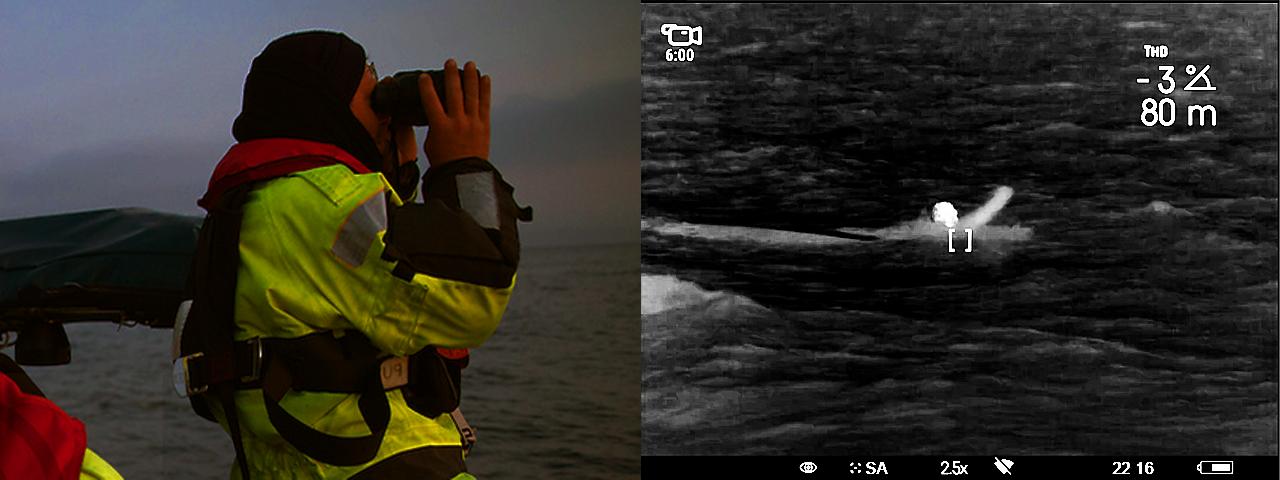
Common Search and Rescue Applications
Wilderness Search Missions
Lost hikers and campers are often difficult to locate in forests and remote outdoor environments. Thermal imaging helps rescue teams identify human heat signatures across large search areas.
Mountain Rescue Operations
Mountain environments present unique challenges, including steep terrain and rapidly changing weather conditions. Thermal imaging supports faster target detection and safer rescue planning.
Disaster Response
Following earthquakes, landslides, floods, and severe storms, thermal imaging devices assist emergency responders in locating survivors.
Urban Search Operations
Thermal technology can support rescue efforts in complex urban environments where visibility may be limited by debris or structural damage.
Coastal and Marine Rescue
Thermal imaging improves visibility during nighttime maritime operations, helping locate individuals in low-light conditions.
Why Rescue Teams Trust Thermal Imaging
Modern rescue organizations increasingly rely on thermal imaging because it offers several operational advantages:
- Faster area scanning
- Reliable day and night performance
- Reduced dependence on external lighting
- Improved target recognition
- Enhanced team safety
As thermal imaging technology continues to improve, its role in emergency response and public safety operations becomes even more important.
Why Choose Injie Thermal Imaging Solutions?
Injie Optics develops thermal imaging products specifically designed for demanding field applications.
Our thermal imaging systems feature:
- High-resolution infrared sensors
- Long-range thermal detection
- Advanced image enhancement technology
- Multiple observation modes
- HD display systems
- Digital zoom functionality
- Rugged weather-resistant construction
- Long battery operating time
These features help rescue professionals perform more effective search operations in challenging environments.
Future Trends in Search and Rescue Technology
The future of thermal imaging in rescue operations includes:
- Artificial intelligence-assisted target recognition
- Drone-mounted thermal imaging systems
- Real-time image sharing
- Enhanced thermal sensitivity
- Faster image processing
These innovations will continue improving rescue effectiveness and helping teams save lives more efficiently.
Conclusion
Locating missing persons quickly can make a critical difference in search and rescue operations. Thermal imaging technology provides a powerful advantage by enabling rescue teams to detect human heat signatures in darkness, difficult terrain, and challenging weather conditions.
With advanced infrared technology, dependable performance, and professional-grade design, Injie Thermal Imaging Scopes help search and rescue teams improve operational efficiency and increase the likelihood of successful outcomes.
About Injie Optics
Injie Optics is a professional manufacturer specializing in:
- Thermal Imaging Scopes
- Thermal Monoculars
- Night Vision Devices
- Laser Rangefinders
- Binoculars
- Electro-Optical Observation Systems
We provide innovative optical solutions that help professionals improve detection, observation, safety, and operational performance worldwide.