

Search and rescue (SAR) missions often take place in some of the most challenging environments imaginable. Dense forests, mountainous terrain, disaster zones, and low-light conditions can make locating missing persons extremely difficult using conventional observation equipment.
As technology advances, thermal imaging scopes have become an essential tool for modern search and rescue teams. By detecting heat signatures rather than relying on visible light, thermal imaging devices help rescuers locate people faster, improve operational efficiency, and increase the likelihood of successful outcomes.
Injie Optics develops advanced thermal imaging scopes designed to support emergency response teams, rescue professionals, and field operators working in critical situations.
Why Thermal Imaging Is Important for Search and Rescue
Traditional search methods often depend on flashlights, binoculars, drones, and visual observation. However, darkness, fog, smoke, vegetation, and harsh weather conditions can significantly reduce visibility.
Thermal imaging technology addresses these challenges by detecting infrared radiation emitted by people, animals, vehicles, and equipment.
This enables rescuers to:
- Locate individuals in complete darkness
- Identify heat signatures through light fog and smoke
- Search large areas more efficiently
- Improve response times during emergencies
- Enhance situational awareness in difficult terrain
When time is critical, thermal imaging can provide valuable support for rescue operations.
How Thermal Imaging Scopes Work
Every human body emits heat energy. Thermal imaging sensors capture this infrared radiation and convert it into a visible thermal image.
Unlike traditional optics, thermal scopes do not require sunlight, moonlight, or artificial illumination. This makes them highly effective for nighttime operations and low-visibility environments.
Advanced thermal imaging systems can highlight temperature differences, allowing rescuers to quickly distinguish a person from surrounding terrain.
Key Benefits of Thermal Imaging Scopes in Rescue Missions
Rapid Target Detection
Thermal imaging allows operators to identify human heat signatures quickly, reducing search times and improving operational efficiency.
Effective Nighttime Operations
Many rescue missions continue after sunset. Thermal imaging scopes provide reliable visibility throughout the night.
Improved Performance in Difficult Conditions
Thermal technology can assist detection in:
- Dense forests
- Mountain regions
- Disaster areas
- Smoke-filled environments
- Low-light conditions
Enhanced Team Safety
Thermal imaging helps rescue teams assess surroundings more effectively, reducing risks during operations.
Large Area Coverage
Combined with observation platforms and elevated positions, thermal scopes enable operators to scan wider areas in less time.
Applications in Search and Rescue
Wilderness Search Operations
Thermal imaging scopes help locate lost hikers, campers, and outdoor adventurers in forests, deserts, and remote areas.
Mountain Rescue Missions
Steep terrain and changing weather conditions make mountain rescues challenging. Thermal imaging supports rapid identification of heat signatures in difficult environments.
Disaster Response
Following earthquakes, landslides, floods, or severe weather events, thermal imaging can assist rescue teams in locating survivors.
Marine Search and Rescue
Thermal imaging technology improves visibility during nighttime maritime operations and coastal rescue efforts.
Emergency Services Support
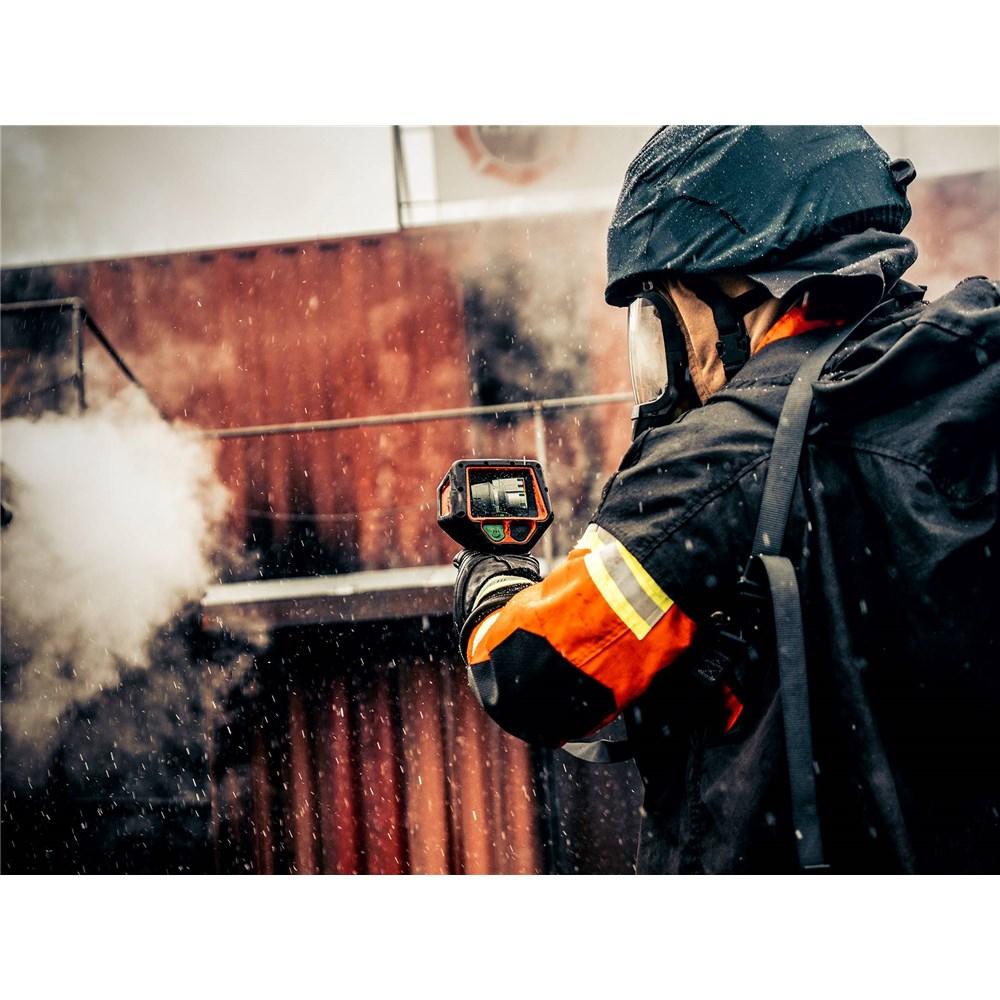
Fire departments, emergency response teams, and public safety organizations use thermal imaging equipment to improve operational effectiveness during rescue missions.
Why Choose Injie Thermal Imaging Scopes?
Injie Optics focuses on delivering professional thermal imaging solutions for demanding field applications.
Key features include:
- High-resolution thermal sensors
- Long-range detection capability
- Advanced image enhancement technology
- HD display systems
- Multiple thermal color palettes
- Digital zoom functionality
- Image and video recording
- Rugged waterproof construction
- Long battery operating life
These capabilities make Injie thermal imaging scopes ideal for professional search and rescue operations.
The Future of Thermal Imaging in Rescue Operations
Emerging technologies are making thermal imaging systems even more effective.
Future innovations include:
- Artificial intelligence-assisted detection
- Enhanced thermal resolution
- Real-time wireless image transmission
- Drone-integrated thermal imaging systems
- Faster image processing capabilities
These developments will further improve rescue efficiency and help emergency teams respond more effectively in critical situations.
Conclusion
Search and rescue operations demand speed, accuracy, and reliable visibility. Thermal imaging scopes provide a powerful solution by enabling rescuers to detect heat signatures in environments where conventional observation methods may be limited.
With advanced infrared technology, long-range detection performance, and rugged field reliability, Injie Thermal Imaging Scopes help rescue professionals improve situational awareness and increase mission success rates when every second matters.
About Injie Optics
Injie Optics specializes in the development and manufacturing of:
- Thermal Imaging Scopes
- Thermal Monoculars
- Night Vision Devices
- Laser Rangefinders
- Binoculars
- Electro-Optical Observation Systems
We are committed to providing innovative optical technologies that support professional observation, detection, safety, and emergency response applications worldwide.