

A thermal imaging camera is an optoelectronic device that detects infrared radiation emitted by objects and converts temperature differences into visible thermal images. Unlike conventional visible-light cameras, thermal imaging cameras do not rely on visible light. Instead, they detect infrared radiation and display differences in thermal energy as images.
With the rapid development of infrared detectors, image processing technology, and intelligent algorithms, thermal imaging cameras are now widely used in outdoor observation, industrial inspection, firefighting, electrical inspection, security monitoring, equipment maintenance, and scientific research.
What Is a Thermal Imaging Camera?
All objects with a temperature above absolute zero emit infrared radiation. A thermal imaging camera detects this infrared energy through an infrared sensor and processes the signal to create a thermal image.
The basic imaging process can be summarized as:
Target Heat → Infrared Radiation → Infrared Detector → Signal Processing → Thermal Image
As a result, thermal imaging devices can provide useful target information in nighttime, low-light, and other challenging environments by identifying temperature differences between objects and their surroundings.
Main Components of a Thermal Imaging Camera
A professional thermal imaging camera generally consists of the following key components:
Infrared Detector: Detects infrared radiation from the target.
Infrared Lens: Focuses infrared energy onto the detector.
Image Processing Chip: Processes and enhances infrared signals.
Display: Shows the thermal image in real time.
Temperature Measurement Module: Some models support spot, area, maximum, and minimum temperature measurement.
Storage Module: Stores thermal images, videos, and inspection data.
Wireless Communication Module: Some models support Wi-Fi, Bluetooth, or other wireless data transmission technologies.
Common Features of Thermal Imaging Cameras
1. Infrared Thermal Imaging
Thermal imaging cameras display temperature differences using different colors, allowing users to quickly identify hot spots, cold areas, and abnormal heat sources.
2. Multiple Color Palettes
Professional thermal imaging cameras often provide multiple color palettes, such as White Hot, Black Hot, Rainbow, and Iron Red. Users can select the most suitable palette according to different applications and environments.
3. Temperature Measurement
Temperature-measuring thermal cameras may support center-point measurement, area measurement, maximum temperature tracking, and minimum temperature tracking. These functions are useful for detecting abnormal temperatures in equipment.
4. Electronic Zoom
Electronic zoom helps users observe distant targets and improves target identification efficiency.
5. Photo and Video Recording
Thermal imaging cameras with built-in storage can save thermal images and videos for further analysis, reporting, and troubleshooting.
6. Wi-Fi Wireless Transmission
Some smart thermal imaging devices support wireless connectivity, allowing images and videos to be transferred to smartphones, tablets, or other terminals.
Main Applications of Thermal Imaging Cameras
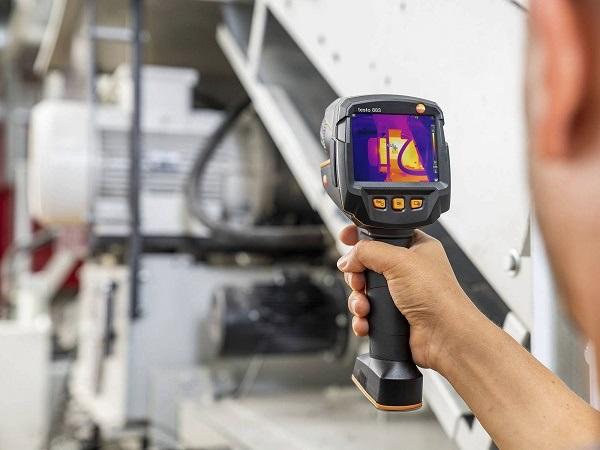
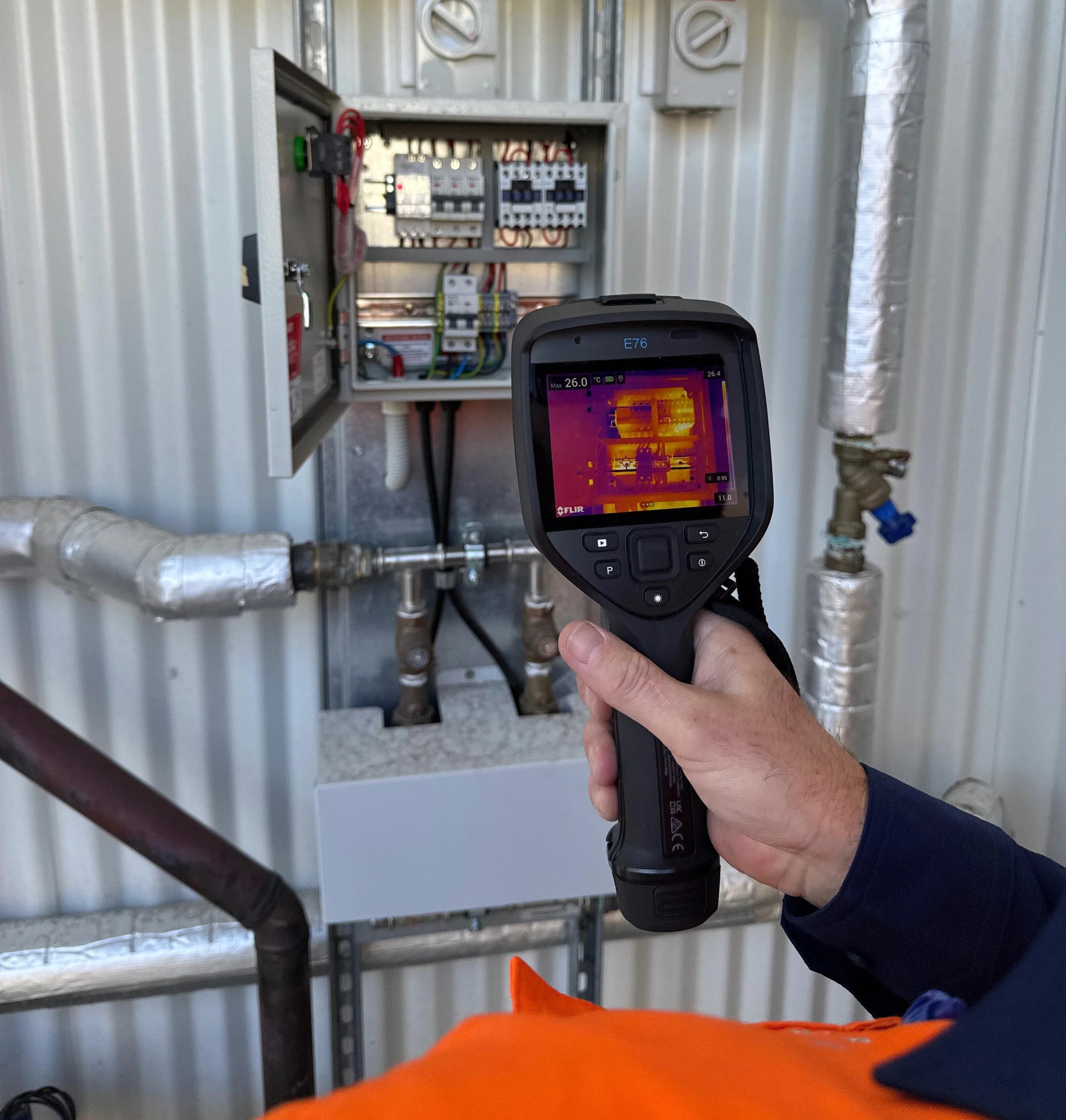
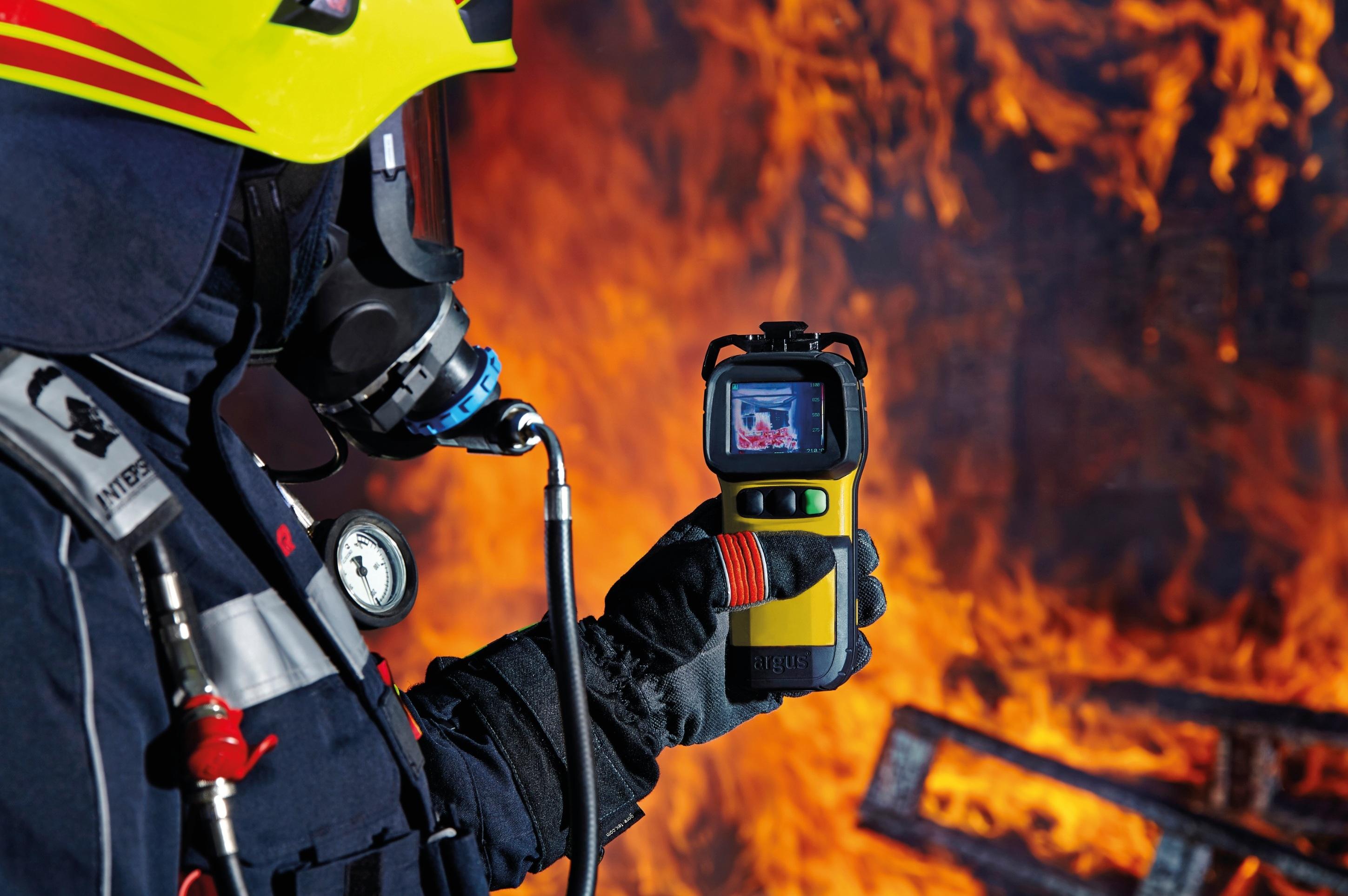
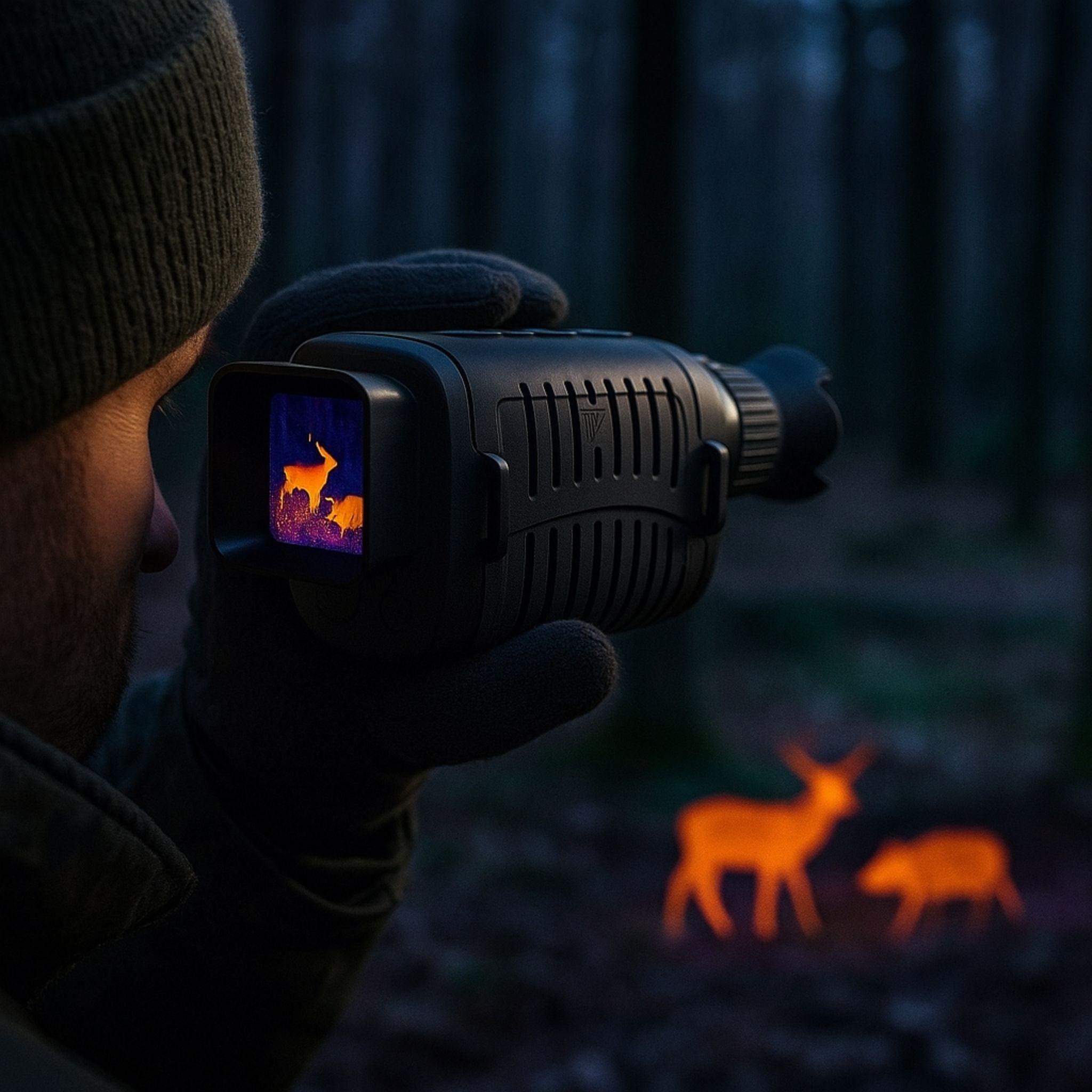
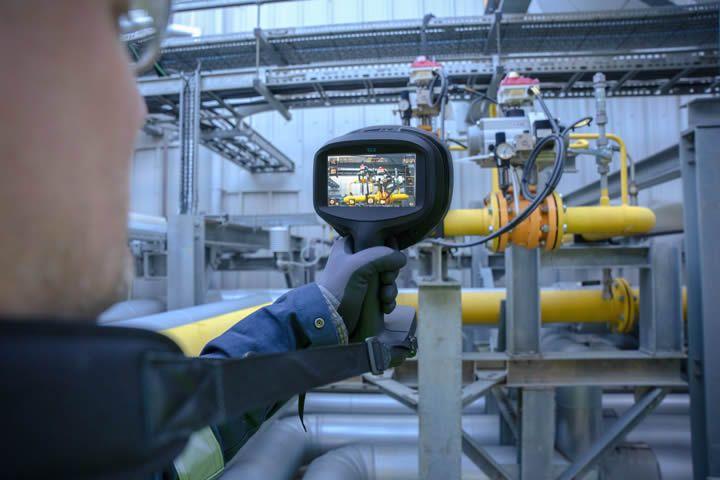
Industrial Inspection
Industrial equipment may generate abnormal heat during long-term operation. Thermal imaging cameras can quickly identify abnormal temperature areas on motors, bearings, electrical cabinets, wiring, and mechanical equipment, helping support preventive maintenance.
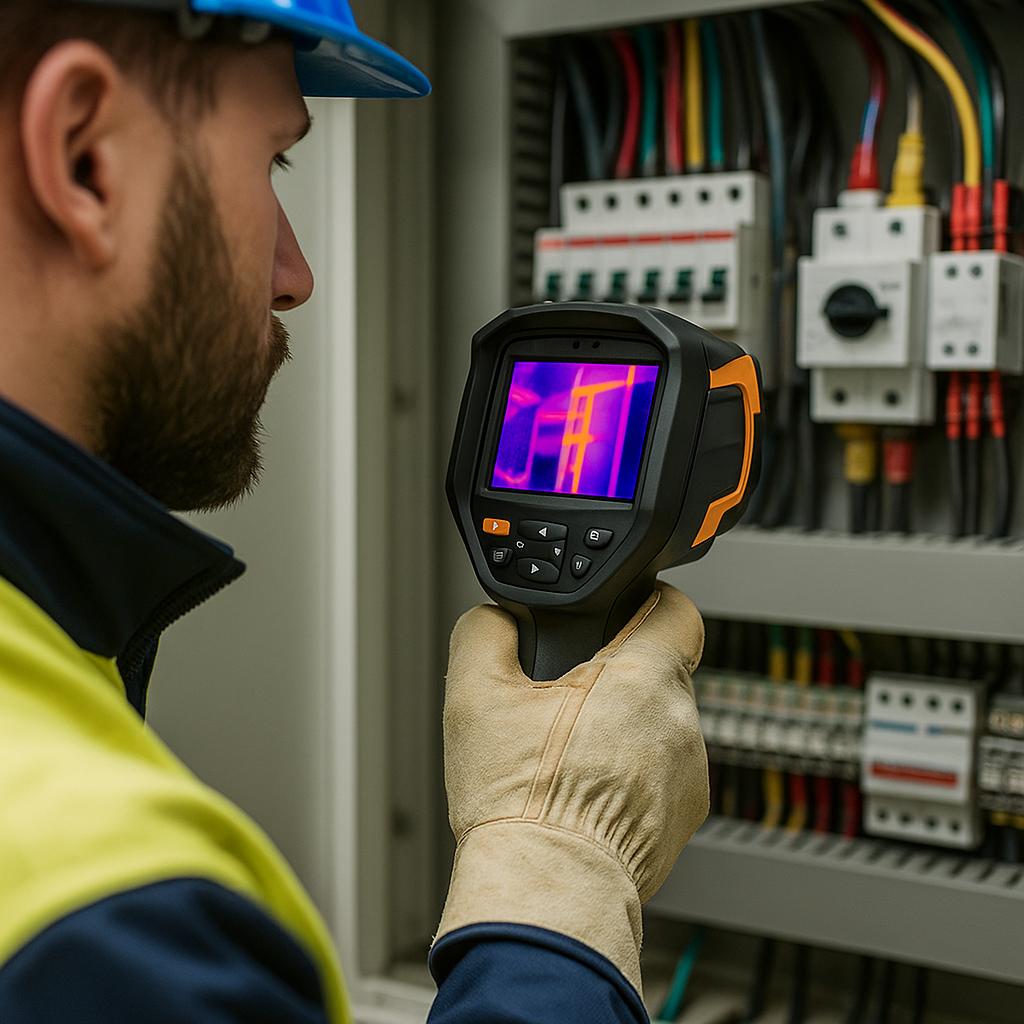
Electrical Inspection
In the power industry, abnormal temperature increases at electrical terminals, transformers, cable connections, and other components may indicate potential equipment problems.
Thermal imaging cameras enable non-contact temperature inspection and help technicians quickly identify abnormal hot spots, improving inspection efficiency.
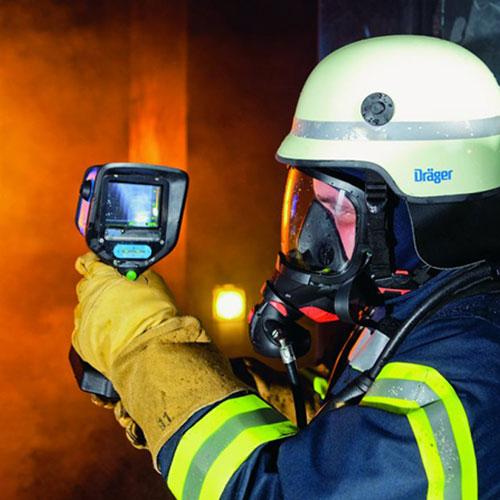
Firefighting and Rescue
Fire scenes may involve smoke, darkness, and low visibility, which can significantly reduce the effectiveness of conventional visible-light cameras.
A thermal imaging camera for firefighting can detect temperature differences between people, fire sources, and surrounding areas, providing valuable visual information for firefighters and rescue teams.
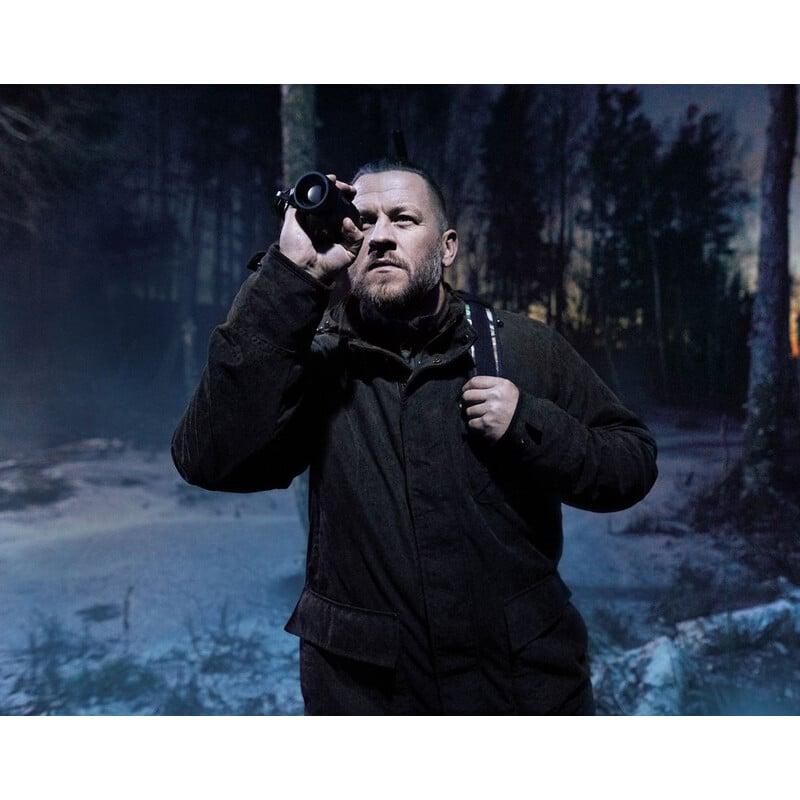
Outdoor Night Observation
Thermal imaging devices do not depend on conventional visible-light illumination. They detect infrared radiation from objects and can therefore provide useful images in nighttime and low-light environments.
This makes thermal imaging suitable for outdoor observation, patrol, search and rescue, and other applications.
Security and Patrol
In industrial parks, warehouses, facilities, and other areas requiring nighttime monitoring, thermal imaging cameras can complement conventional visible-light surveillance systems by helping operators detect abnormal heat sources or moving targets.
Building and Equipment Maintenance
Abnormal temperature patterns in walls, pipelines, HVAC systems, and other building or equipment components can indicate potential problems. Thermal imaging helps maintenance personnel quickly locate areas requiring further inspection.
How to Choose the Right Thermal Imaging Camera?
When selecting a thermal imaging camera, consider the following key specifications:
| Specification | Importance |
|---|---|
| Detector Resolution | Determines the level of thermal image detail |
| Pixel Pitch | Influences infrared imaging performance |
| NETD | Indicates the ability to detect small temperature differences |
| Lens Focal Length | Determines the observation range and target detail at different distances |
| Frame Rate | Affects performance when observing moving targets |
| Temperature Measurement Range | Determines the applicable temperature range |
| Protection Rating | Indicates suitability for outdoor and industrial environments |
| Storage | Allows images and inspection data to be saved |
| Wi-Fi | Enables convenient wireless data transmission |
For long-distance observation, users should pay particular attention to infrared lens focal length, detector resolution, and target size.
For industrial inspection, temperature measurement accuracy, temperature range, and thermal sensitivity are especially important.
For firefighting applications, high-temperature measurement capability, protection rating, response speed, and reliability should be key considerations.
Thermal Imaging Camera vs. Digital Night Vision
Thermal imaging cameras and digital night vision devices can both be used for nighttime observation, but they work based on different imaging principles.
Digital night vision devices primarily use visible and near-infrared light to enhance environmental images. They generally perform well when there is at least some ambient light.
Thermal imaging cameras, on the other hand, detect infrared radiation and temperature differences emitted by objects. They are particularly useful for identifying targets with distinct thermal signatures.
Depending on the application, thermal imaging and digital night vision technologies can be used separately or together.
Future Trends in Thermal Imaging Technology
With continued advances in infrared detector technology, artificial intelligence, and embedded processing, thermal imaging cameras are becoming increasingly high-resolution, compact, intelligent, and multifunctional.
Future thermal imaging systems are expected to integrate more technologies, including:
AI target recognition
Automatic temperature anomaly detection
Visible and thermal image fusion
Wireless data transmission
GPS positioning
Intelligent alerts
Cloud-based data management
Mobile device control
These developments are transforming thermal imaging cameras from simple infrared observation devices into comprehensive optical systems integrating observation, temperature measurement, recording, analysis, and intelligent recognition.
Conclusion
Thermal imaging cameras use infrared detection technology to convert thermal radiation that cannot be directly seen by the human eye into visible thermal images. They provide valuable solutions for industrial inspection, electrical inspection, firefighting, outdoor observation, security monitoring, and equipment maintenance.
When selecting a thermal imaging camera, users should consider the specific application and evaluate key specifications such as detector resolution, NETD, lens focal length, temperature measurement range, frame rate, protection rating, and wireless connectivity.
For users looking for professional infrared imaging solutions, understanding the relationship between product specifications and actual application requirements is essential for choosing the right thermal imaging camera.