

When selecting equipment for nighttime observation, many buyers ask the same question: Should I choose a digital night vision camera or a thermal imaging camera?
Although both technologies improve visibility in low-light conditions, they work in very different ways and are designed for different tasks. Understanding these differences can help hunters, wildlife observers, security professionals, and outdoor enthusiasts choose the right solution.
The INJIE Digital Night Vision Camera offers high-definition digital imaging and photo/video recording, while thermal imaging devices excel at detecting heat signatures. Depending on your application, one technology—or a combination of both—may provide the best results.
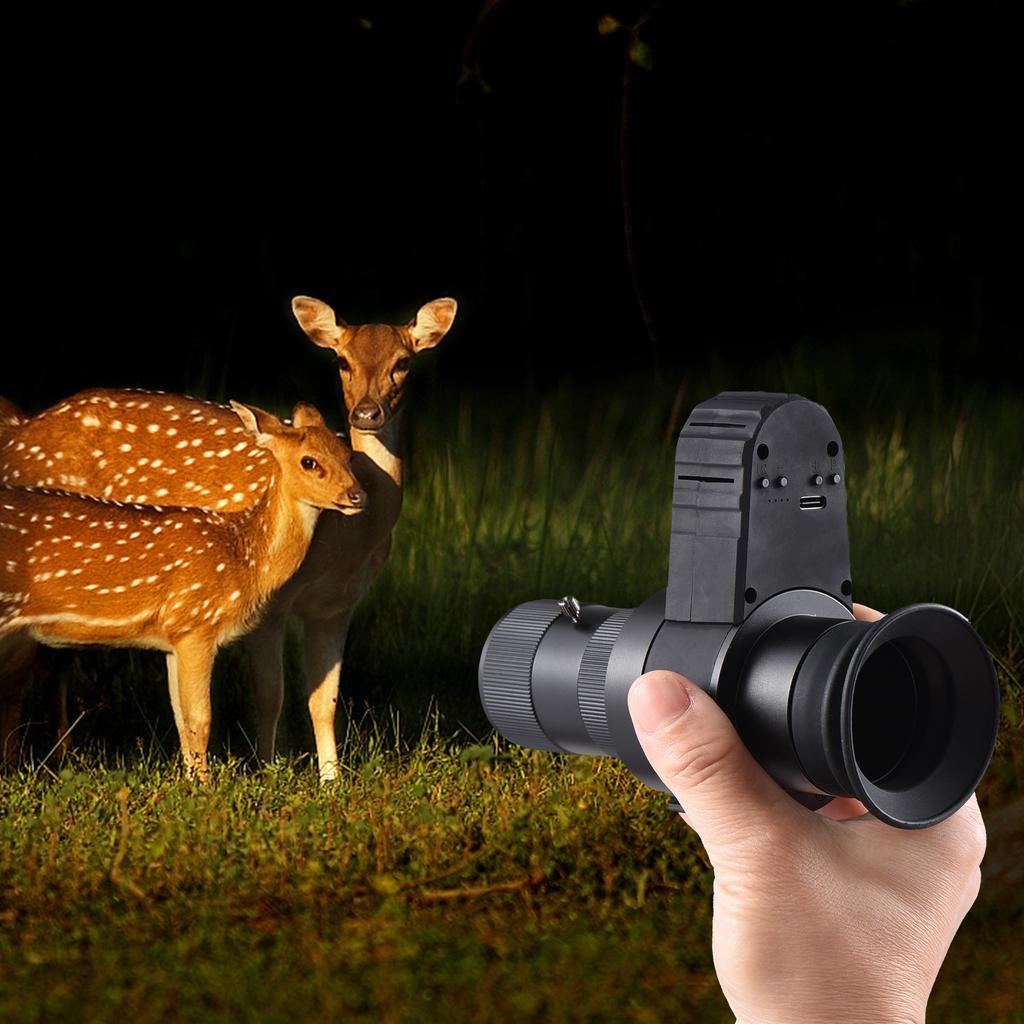
How Does a Digital Night Vision Camera Work?
A digital night vision camera captures available light and enhances it using a high-sensitivity CMOS sensor. When ambient light is insufficient, an integrated infrared (IR) illuminator projects invisible infrared light, allowing the camera to produce a clear image.
Main Features
- Full-color daytime viewing
- Black-and-white night vision
- HD photo capture
- Video recording
- Digital zoom
- Infrared illumination
- Memory card support
The result is a detailed image that closely resembles what users expect from a traditional camera.
How Does a Thermal Imaging Camera Work?
A thermal imaging camera detects infrared heat emitted by objects instead of relying on reflected light.
Because it senses temperature differences, it can display heat sources even in complete darkness or in environments with light smoke, haze, or partial camouflage.
Thermal imaging is particularly useful for quickly locating animals or people whose body temperature contrasts with the background.
Side-by-Side Comparison
| Feature | INJIE Digital Night Vision Camera | Thermal Imaging Camera |
|---|---|---|
| Imaging Method | Digital CMOS + Infrared | Heat Detection |
| Daytime Use | Excellent | Limited visual detail |
| Night Observation | Excellent | Excellent |
| Target Detail | High | Moderate |
| Heat Detection | No | Yes |
| Photo & Video Recording | Yes | Model dependent |
| Wildlife Identification | Excellent | Good |
| Price | More affordable | Generally higher |
Advantages of the INJIE Digital Night Vision Camera
Superior Image Detail
Digital imaging provides clearer visual details, making it easier to identify:
- Animal species
- Clothing
- Vehicles
- Buildings
- Terrain features
This level of detail is especially valuable when accurate identification is required.
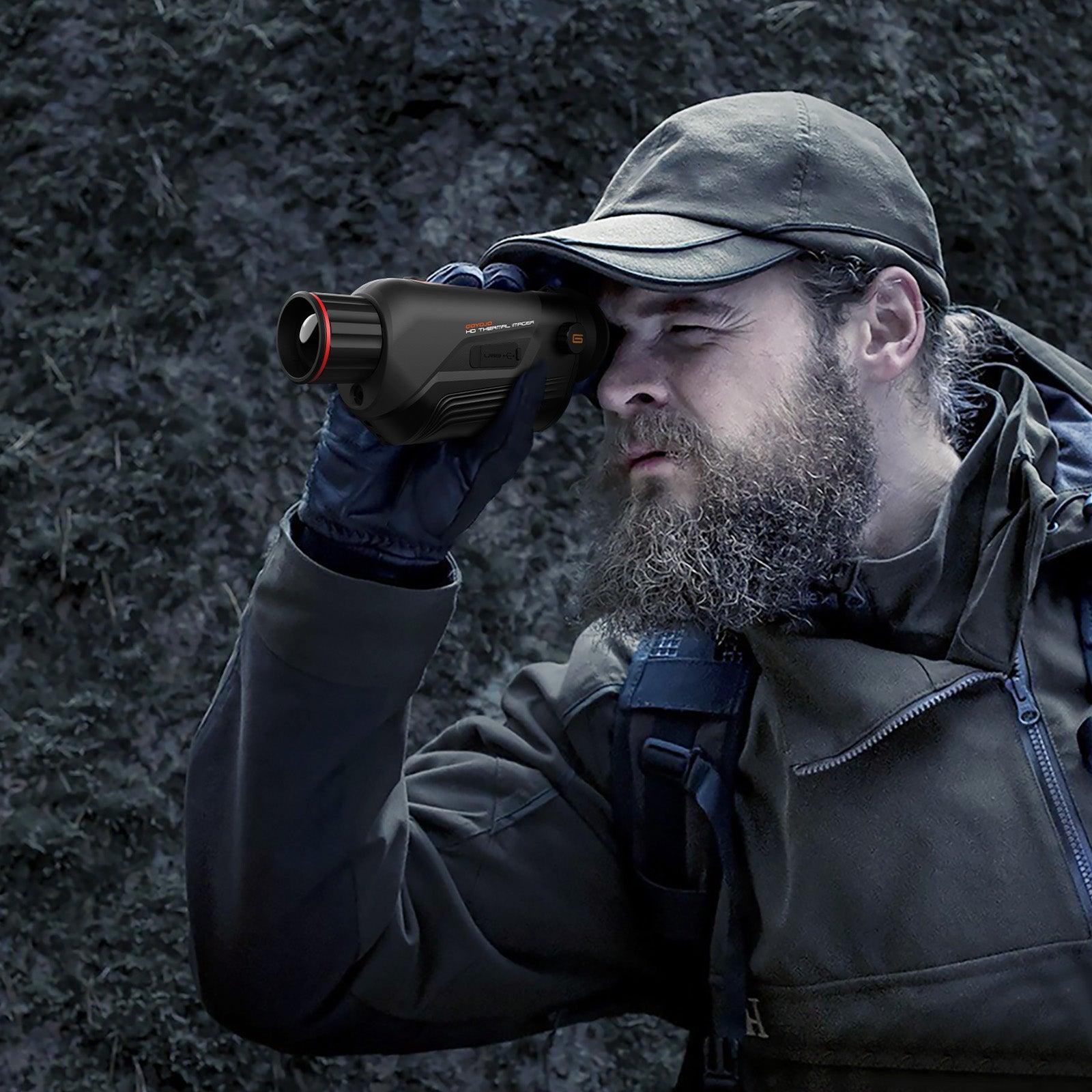
Excellent for Wildlife Photography
Unlike thermal cameras, digital night vision cameras can capture realistic images and videos suitable for:
- Wildlife documentation
- Outdoor photography
- Nature observation
- Educational projects
Recorded footage retains recognizable visual details rather than displaying heat patterns.
Cost-Effective Solution
For many users, digital night vision provides an excellent balance between performance and affordability.
It is well suited for:
- Outdoor enthusiasts
- Hunting clubs
- Security teams
- Farmers
- Wildlife researchers
Advantages of Thermal Imaging
Thermal imaging offers several unique strengths.
Rapid Target Detection
Animals and people can often be located quickly based on body heat.
Effective in Challenging Conditions
Thermal devices may continue to detect heat sources in environments with:
- Light fog
- Thin smoke
- Dense vegetation gaps
Search and Rescue
Emergency teams frequently use thermal imaging to locate missing persons in low-visibility conditions.
Which Technology Is Better for Hunting?
The answer depends on your hunting style.
Choose a Digital Night Vision Camera if You Need:
- High-definition images
- Video recording
- Species identification
- Day and night operation
- Budget-friendly performance
Choose a Thermal Imaging Camera if You Need:
- Fast heat detection
- Long-distance scanning
- Locating hidden animals
- Operation in visually challenging environments
Many experienced hunters use thermal imaging to detect game and a digital night vision camera to confirm identification and document the experience.
Applications of the INJIE Digital Night Vision Camera
The versatility of the INJIE Digital Night Vision Camera makes it suitable for many industries.
Hunting
Improve target identification and record memorable hunting trips.
Wildlife Observation
Monitor nocturnal animals while preserving natural behavior.
Farm Security
Protect livestock and equipment during nighttime hours.
Outdoor Recreation
Enhance camping, hiking, and nighttime exploration.
Property Surveillance
Monitor homes, warehouses, and industrial facilities with improved visibility.
Why Choose INJIE?
INJIE develops advanced optical equipment designed for users who demand reliability and performance.
Our strengths include:
- High-definition digital imaging
- Adjustable infrared illumination
- Integrated photo and video recording
- Rugged outdoor construction
- User-friendly controls
- OEM & ODM manufacturing services
- Professional technical support
Whether you are an outdoor retailer, distributor, or professional user, INJIE provides dependable night vision solutions for global markets.
Future Trends in Night Observation Technology
Night observation devices continue to evolve rapidly.
Future products are expected to include:
- AI-powered target recognition
- 4K Ultra HD image sensors
- Built-in laser rangefinders
- Ballistic calculation functions
- Wireless smartphone connectivity
- Cloud-based media storage
- Multi-sensor fusion combining digital night vision and thermal imaging
INJIE remains committed to developing innovative products that meet the changing needs of hunters, security professionals, and outdoor enthusiasts.
Conclusion
Both digital night vision cameras and thermal imaging cameras offer valuable advantages, but they serve different purposes.
If your priority is high-quality visual detail, realistic image recording, and versatile day-and-night operation, the INJIE Digital Night Vision Camera is an excellent choice.
If your primary goal is rapid heat-source detection in difficult environments, a thermal imaging camera may be the better solution.
By understanding your specific application, you can select the technology that best supports your work or outdoor activities.
Frequently Asked Questions (FAQ)
Can a digital night vision camera work in complete darkness?
Yes. With its built-in infrared illuminator, the INJIE Digital Night Vision Camera provides clear viewing and recording even in total darkness.
Which is better for wildlife photography?
A digital night vision camera is generally better because it captures recognizable images and HD videos rather than heat signatures.
Is thermal imaging better for finding animals?
Thermal imaging is excellent for detecting animals quickly, while digital night vision is better for identifying the animal and recording detailed footage.
Can professionals use both technologies together?
Yes. Many wildlife researchers, security teams, and hunters combine thermal imaging for detection with digital night vision for identification and documentation.