

When it comes to observing targets in darkness, two technologies dominate the market: night vision and thermal imaging. While both are designed to improve visibility in low-light conditions, they operate using completely different principles and are suitable for different applications.
For outdoor professionals, security personnel, wildlife researchers, and emergency response teams, understanding the differences between these technologies is essential when selecting the right equipment.
INGJIE Optics provides both advanced night vision devices and thermal imaging solutions to meet a wide range of observation requirements.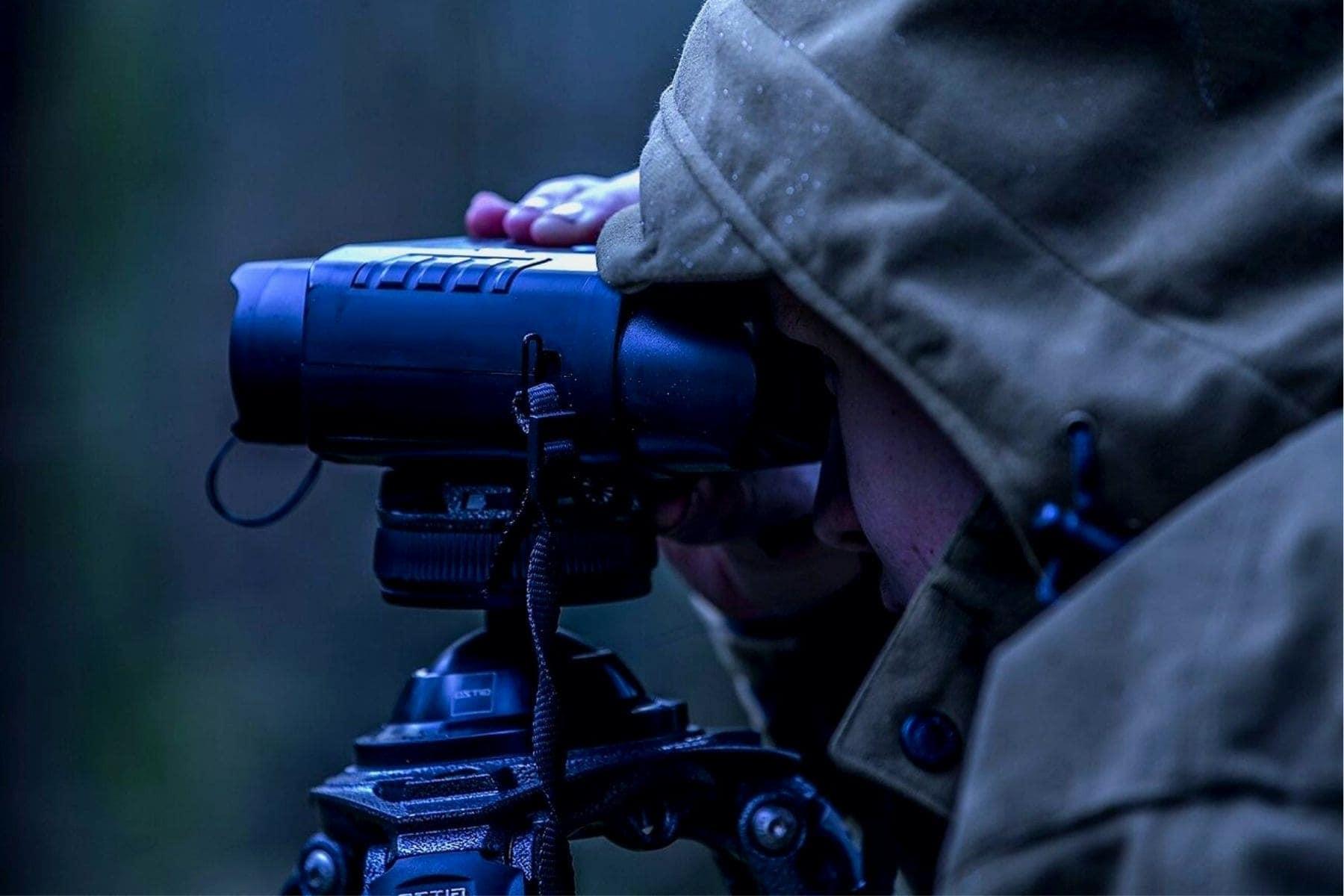
How Night Vision Technology Works
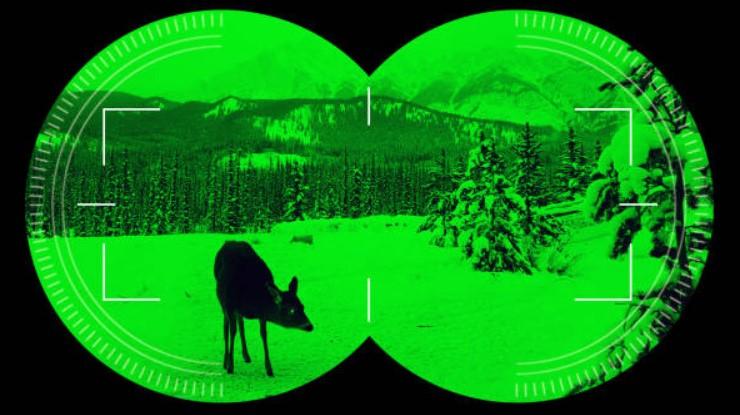
Night vision devices amplify available ambient light, such as moonlight, starlight, or infrared illumination, to create a visible image.
Digital night vision systems use image sensors to capture light and process it into a clear display for the user.
Advantages of Night Vision
- High image detail
- Natural scene recognition
- Ability to identify shapes and objects clearly
- Suitable for navigation and observation
- Supports photo and video recording
Night vision is particularly effective when some ambient light is available.
How Thermal Imaging Technology Works
Thermal imaging devices detect heat emitted by objects rather than relying on visible light.
Every object with a temperature above absolute zero emits infrared radiation. Thermal sensors capture this heat information and convert it into a visible image.
Advantages of Thermal Imaging
- Works in complete darkness
- Detects hidden targets
- Effective through smoke and light fog
- Highlights temperature differences
- Rapid target detection
Thermal imaging excels at locating living beings, vehicles, and heat-generating objects.
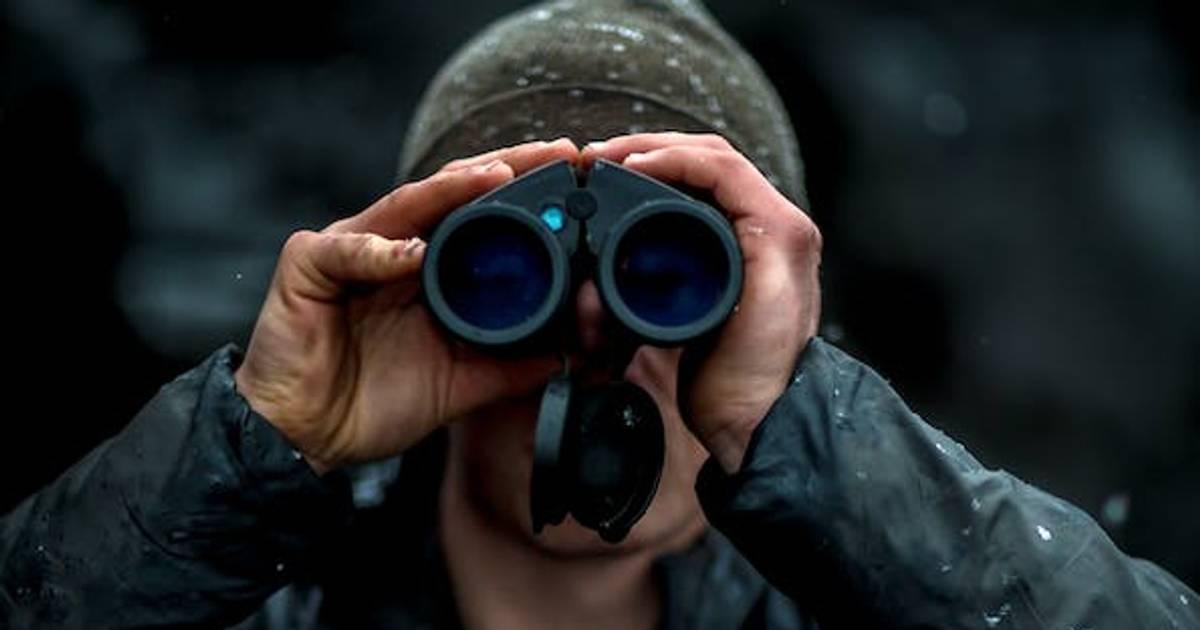
Comparing Night Vision and Thermal Imaging
Target Detection
Thermal imaging is generally superior for quickly locating targets because warm objects stand out against cooler backgrounds.
Target Identification
Night vision often provides better detail for recognizing facial features, equipment, vegetation, and environmental characteristics.
Environmental Conditions
Thermal imaging performs well in darkness, smoke, and certain adverse weather conditions, while night vision depends on available light or infrared illumination.
Battery Efficiency
Digital night vision devices often consume less power than advanced thermal imaging systems.
Cost Considerations
Night vision devices are typically more affordable, while thermal imaging technology generally commands a higher price due to sensor complexity.
Applications for Night Vision Devices
INGJIE Optics night vision products are commonly used for:
- Wildlife observation
- Security patrol
- Outdoor exploration
- Search and rescue
- Forestry management
- Camping and hiking
Night vision devices provide users with detailed visual information and a natural observation experience.
Applications for Thermal Imaging Devices
INGJIE Optics thermal imaging products are widely used for:
- Security surveillance
- Wildlife detection
- Firefighting support
- Industrial inspection
- Power line maintenance
- Emergency response
Thermal imaging is particularly valuable when locating hidden or camouflaged targets.
Combining Both Technologies
Many professional users employ both night vision and thermal imaging devices to maximize operational effectiveness.
For example:
- Thermal imaging locates a target.
- Night vision identifies and observes the target in detail.
This combination provides superior situational awareness and improves decision-making in the field.
Why Choose INGJIE Optics?
INGJIE Optics specializes in advanced optical and electro-optical solutions, including:
- Digital Night Vision Devices
- Thermal Imaging Cameras
- Laser Rangefinders
- Rangefinding Binoculars
- Outdoor Observation Equipment
We provide:
✓ Advanced imaging technologies
✓ Reliable outdoor performance
✓ OEM & ODM customization services
✓ Strict quality control standards
✓ Global distribution support
✓ Professional technical assistance
Future Trends in Observation Technology
The future of observation equipment is moving toward integrated systems that combine:
- Night vision
- Thermal imaging
- Laser ranging
- GPS positioning
- Artificial intelligence
- Wireless connectivity
These multi-sensor solutions provide users with comprehensive situational awareness and enhanced operational capabilities.
INGJIE Optics continues to invest in innovative technologies that support professional observation and security applications worldwide.
Conclusion
Both night vision and thermal imaging technologies offer unique advantages. Night vision provides detailed visual observation, while thermal imaging excels at rapid target detection in challenging environments.
Choosing the right solution depends on your operational requirements, observation goals, and environmental conditions.
Whether you need advanced night vision devices, thermal imaging systems, or integrated observation solutions, INGJIE Optics delivers professional products designed for reliability, performance, and long-term value.